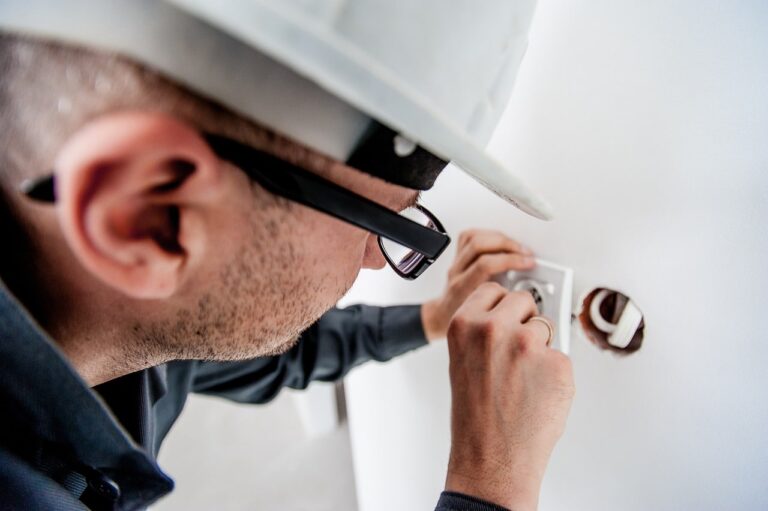
If you let a home in England, you must have its electrical installation inspected and tested by a qualified person at least every five years. This is a legal duty, and councils can fine you up to £40,000 if you do not comply.
The law
The Electrical Safety Standards in the Private Rented Sector (England) Regulations 2020 apply to private residential tenancies where the tenant pays rent and has the right to occupy the property as their main or only home. They applied to new tenancies from 1 July 2020 and to existing tenancies from 1 April 2021. They replaced the earlier requirements that applied to HMOs.
Separately, section 11 of the Landlord and Tenant Act 1985 already requires you to keep electrical installations and appliances safe and in working order at the start of the tenancy and throughout it.
What you must do
- Have the installation inspected and tested by a qualified person at least every 5 years, or sooner if the previous report says so. Use a competent, registered electrician.
- Get a report (an EICR) that gives the results and the date of the next inspection.
- Give it to your tenants. New tenants must receive it before they move in. Existing tenants must have it within 28 days of the inspection. Give a copy to a prospective tenant on request, and to the local authority if they ask for it.
- Fix what is found. If the report finds breaches that need action, complete the work within 28 days, or sooner if the report says so.
- Confirm in writing that the remedial work is done, and send that to the tenant and the local authority.
What is not covered
The rules do not apply to lodgers, student halls of residence, and care homes, refuges, hostels, hospitals and hospices. Check the current GOV.UK guidance for the full list of exclusions.
Enforcement and penalties
Local authorities enforce the regulations. They can serve a remedial notice, which you must act on within 28 days. If you do not, the council can arrange the work and recover the cost from you. They can also impose a financial penalty of up to £40,000 for a breach.
The first landlord to be fined under the 2020 rules was in Coventry. Coventry City Council fined them £1,600. The amount was far below the maximum, but it shows councils do enforce the rules.
What an EICR checks
An Electrical Installation Condition Report inspects the fixed wiring and associated equipment for safety defects. It looks for potential electric shock and fire risks, defective work, a lack of earthing or bonding and overloaded circuits. Observations are coded C1 (danger present), C2 (potentially dangerous), C3 (improvement recommended) and FI (further investigation required). See the full EICR guide.
What about portable appliances?
There is no specific legal requirement to PAT test the appliances you provide in a tenancy, but you must make sure they are safe. PAT testing is advisable every year because of wear and tear, and strongly recommended at the start of each new tenancy. HMOs have additional duties, so check with your local authority. Keep detailed records of each test, including the date and results. See our PAT testing guide.
Simple checks between inspections
Electrical work must be done by a qualified professional, but you can look out for:
- Extension leads plugged into each other
- Cables running under rugs or carpets
- Smoke or burn marks, water damage or cracks on sockets, plugs, cables and switches
If anything worries you, call a professional straight away.
Book an EICR
Our electricians complete, test and certify all work to current regulations. Find out about electrical testing and inspection or call 01908 564301 to arrange an EICR for your rental property or HMO.
Also read: Landlords' responsibilities for fire safety