Onus on businesses to confirm fire alarm calls are valid
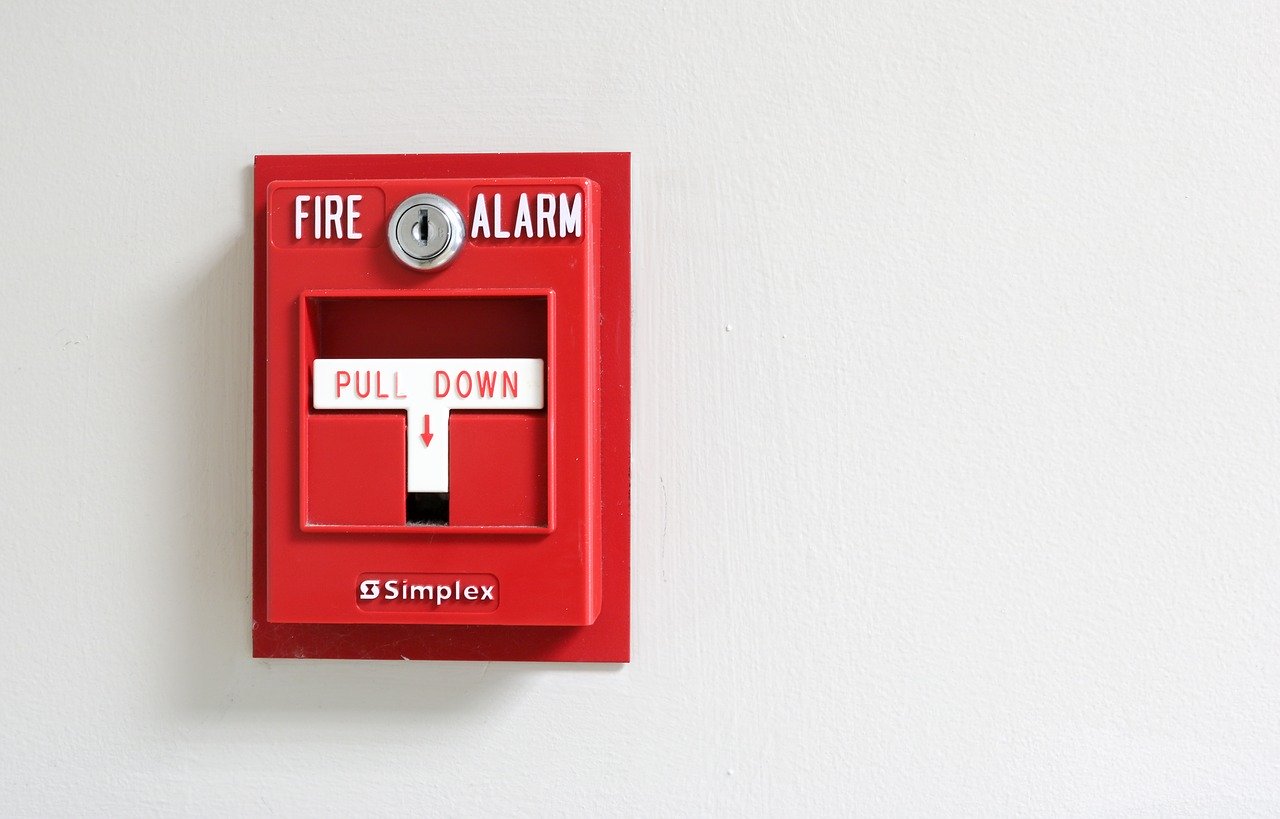
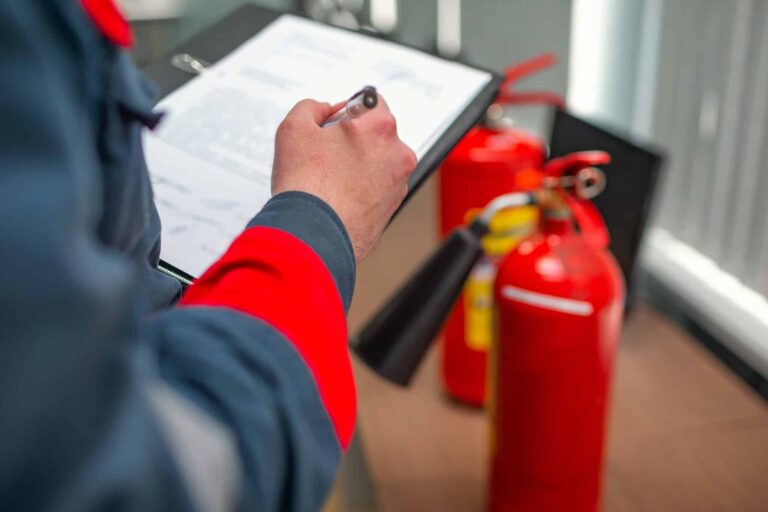
A recent decision by Avon Fire and Rescue Service to no longer automatically respond to fire alarms at business premises brings the importance of fire alarm testing to the forefront.
Due to the high level of false alarms diverting fire crews from genuine emergencies the change will come into force on 1st April this year. Following this date, a response will not automatically be mobilised, instead fire crews will only attend when a call is made to 999 or a keyholder confirms there is a fire.
Homes, HMOs (house in multiple occupation), hotels sheltered housing and student accommodation will still receive and automatic response to alarms as will hospitals and heritage premises.
The fire alarm is an important safety device within any business and can prevent damage, death and emotional trauma. However, it is vital that they are installed correctly and are appropriate for the specific setting that they are in.
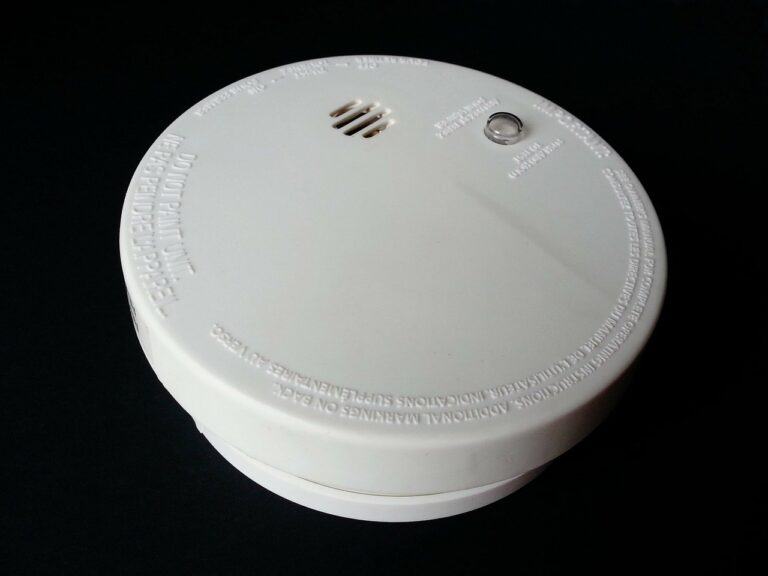
A number of things can cause a ‘false’ fire alarm, including activation of a smoke detector by airborne pollutants such as toast burning in a toaster, or workmen visiting the building and carrying out work close to heat or smoke detectors.
Human error can also be an issue, and this is generally due to lack of familiarity with the system and how it is operated.
Sadly, there are times when malicious intent and vandalism are the cause, these false alarms can often be the most difficult to identify. Finally, faulty or poorly maintained fire detection equipment can be responsible.