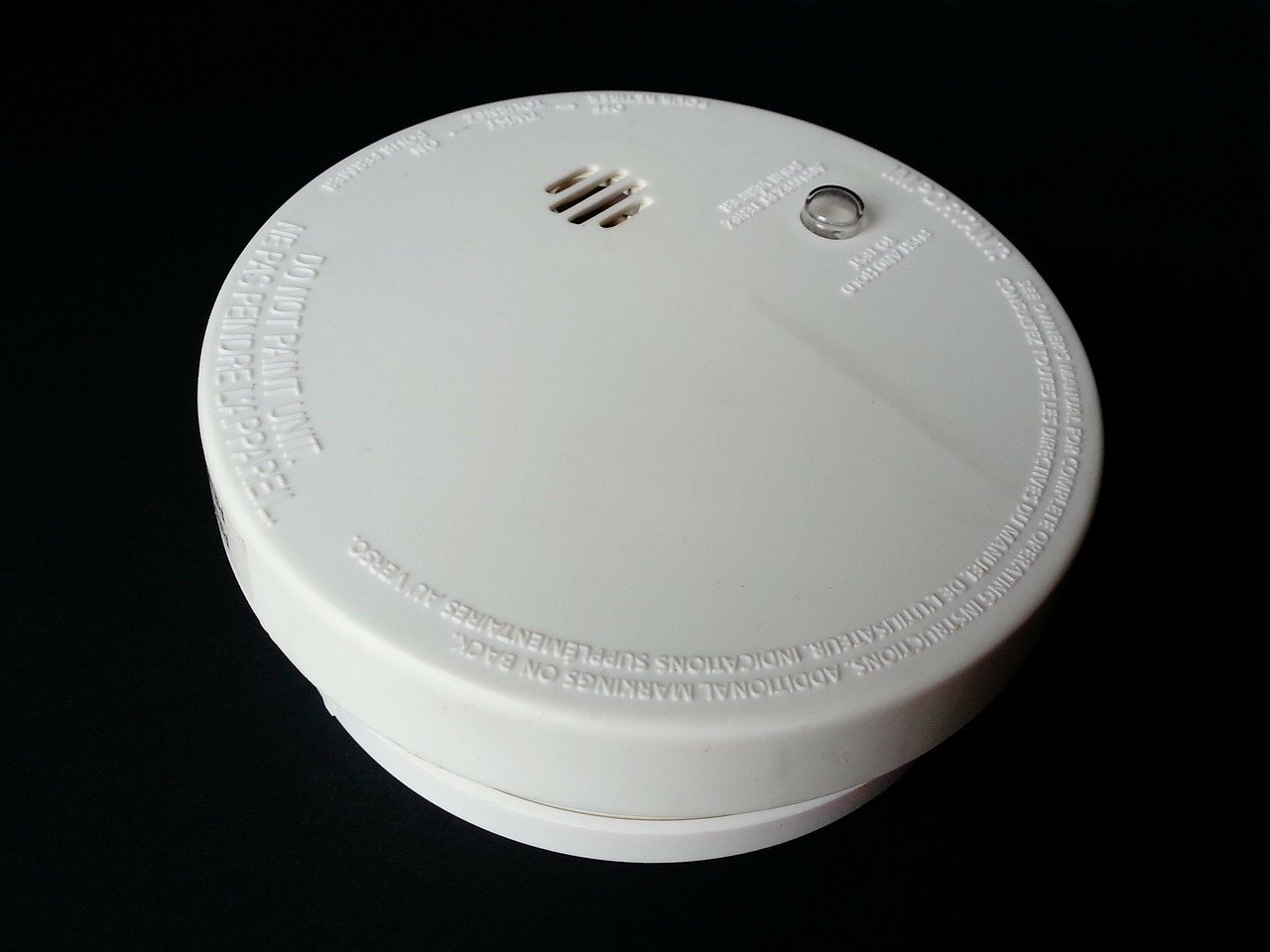
A fire alarm can save lives and protect your business, but only if it works. Alarms are easy to take for granted, and an untested system gives you false confidence. Installing one is the start, not the finish.
What does the law expect?
The Regulatory Reform (Fire Safety) Order 2005 requires business premises, where necessary, to have an appropriate fire detection and warning system, and to keep it in efficient working order. Your fire risk assessment decides what system you need. The British Standard that most systems are designed and maintained to is BS 5839-1:2025, which recommends regular servicing to find any fault that could stop the alarm working in an emergency. Without it, a system will not meet the standard.
The same applies to homes that are let: houses and HMOs need working alarms, because fatal home fires usually happen at night when people are asleep and may wake too late to escape. A burglary takes possessions; a fire can take everything and leave people homeless. A well-protected property may also see lower insurance premiums.
The testing and servicing routine
| Who | What | How often |
|---|---|---|
| Your own staff | Test the system by operating a different manual call point each time, and check the panel. Record it in the fire alarm logbook | Weekly |
| Qualified fire alarm engineer | Full inspection and service: tests detectors and call points, checks the panel, batteries and sounders, looks for hidden faults | Usually every 6 months (BS 5839-1), with every device tested at least once a year |
| Responsible person | Review faults, false alarms and any changes to the building | Whenever something changes, and at least yearly with your risk assessment |
A professional visit also confirms that the system is ready to use. Engineers can train your staff to carry out the weekly test and to prevent false alarms.
Why regular testing matters
- Early warning. A working alarm detects even a small amount of smoke at the earliest stage and gives people more time to leave, which can prevent injury or death.
- Systems degrade. Dust and dirt affect detectors, vandalism damages parts, water harms the electrics, rodents chew cables and batteries run low. Regular visual and electrical checks catch these before they become faults.
- Detectors need cleaning. Dust, particles and insects reduce a detector's ability to sense smoke and heat, and can cause false alarms.
- Familiarity. Staff who hear the alarm during tests, ideally combined with fire drills, respond to it automatically in a real emergency.
- Records. Your maintenance records are what fire inspectors, insurers and the courts ask to see. Insurers may refuse to pay for fire damage, even small fires, without proof of proper testing and maintenance.
How old is your system?
| Age | What to expect |
|---|---|
| Up to 5 years | Little maintenance beyond regular testing. Faults are usually down to poor installation, so get a second opinion if you doubt the original work |
| 5 to 10 years | Components start to fail through normal wear. Testing is more important, and a specialist can spot faults you would miss |
| 10 to 15 years | Failures become more frequent. Ask for a condition survey and plan for replacement |
| 15 to 20 years and over | Likely to need replacing. Newer detectors are also less prone to false alarms |
What if I think testing is too much hassle or too expensive?
The two usual objections are cost and logistics. Unplanned call-outs and false alarms cost more than a planned service. An inadequate system can lead to fines, imprisonment or a notice stopping activities until it is fixed, and those costs dwarf a maintenance invoice. If a failure leads to injury, the legal costs are far higher, and a fire that goes undetected could destroy the business. Coordinating maintenance takes little time when a qualified company handles it and provides the paperwork.
Choosing and installing the right system
Alarm grades and categories are complex. Choose a reputable company to design, install and maintain the system, and ask them to base the design on your risk assessment. For larger buildings, a control panel shows exactly where a detector or call point has been triggered, and some monitored systems alert the fire service automatically.
Pair the alarm with an escape plan that everyone knows, and show that it has been communicated through signs and training.
Keep your alarm working
We design, install, test and maintain fire alarms for businesses and landlords across Milton Keynes, Bedford, Aylesbury, Luton, Northampton and Oxford, and keep your visits scheduled and your records up to date. Find out about fire alarms or call 01908 564301.