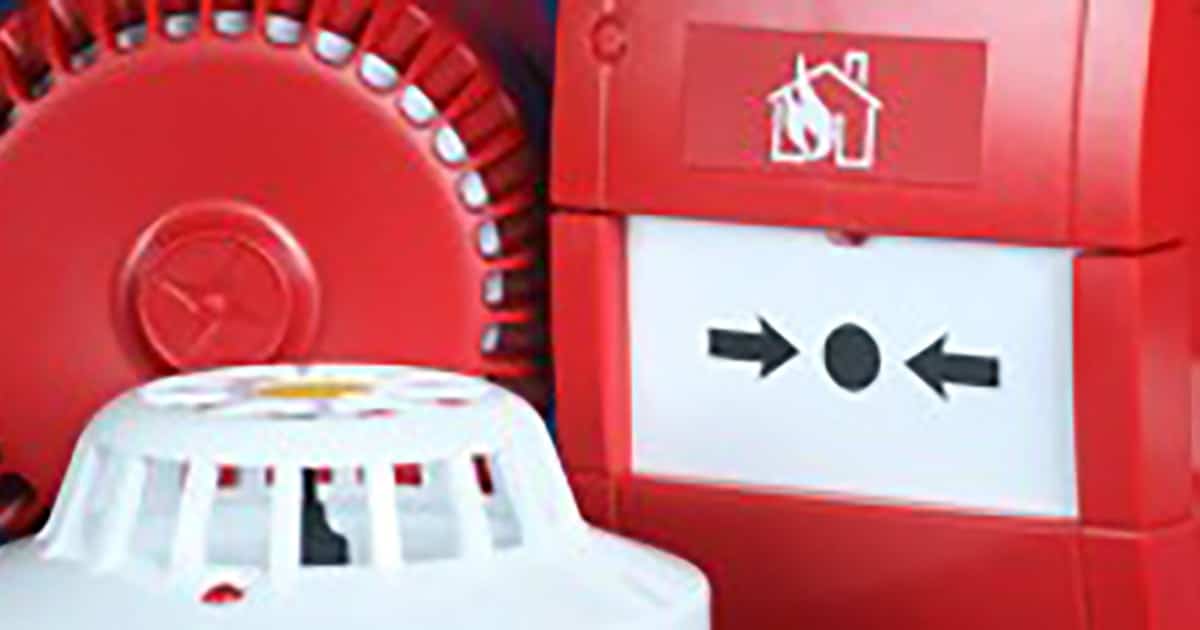
Fire services and businesses have worked together to cut false alarms from automatic detection systems, and numbers have fallen, but there is still a long way to go. Further reductions would save businesses and taxpayers £1bn every year (BRE).
Why false alarms matter
- They waste money on call-outs and lost working time during unnecessary evacuations.
- They divert fire crews from real emergencies.
- They erode trust. People start to ignore the alarm, which is dangerous when a real fire happens.
- They can cost you directly. Some fire services charge for repeated unwanted call-outs.
- Attendance policies are changing. Several fire and rescue services now respond to an automatic alarm at a business only if someone confirms there is a fire by calling 999 or a keyholder confirms it. Homes, HMOs, hotels, sheltered housing, hospitals and similar premises usually still get an automatic response. Check your local service's policy and make sure you have a keyholder arrangement that works.
Hospitals and universities are among the worst offenders because of their size and the number of devices.
Common causes
| Cause | Examples |
|---|---|
| Environmental | Aerosols, steam, humidity, dust, insects, cooking fumes, tobacco smoke, airborne pollutants such as burnt toast |
| Activities | Contractors working near heat or smoke detectors, building work |
| Equipment | Poor installation, faulty or ageing devices, poor maintenance, dirty detectors |
| People | Unfamiliarity with the system, accidental activation of call points, vandalism or malicious activation |
| Communication | Staff or contractors not told what is and is not allowed in a given area |
What research found
A BRE study (2014-15) into false alarms identified five main areas for improvement:
- Smoke detectors are among the most common causes. The answer is the right detector type in the right place, with regular monitoring and replacement before age causes problems.
- Manual call points. Protective covers that need a two-step action (lift, then activate) reduced false alarms by up to 17% by preventing accidental activation.
- Sprinkler system pressure. A drop can trigger an alarm. More research is needed, but regular monitoring and maintenance help.
- Training and procedures. Plan for how you will deal with a false alarm. One example is a delay between the first alert and a full alarm, to give someone time to investigate. The right approach depends on your business and its risks.
- Multi-sensor detectors. The study saw no false alarms from them, which is promising, though more research is needed.
What you can do
- Use a reputable company to inspect and maintain your system regularly.
- Get a second opinion if your provider cannot remove or significantly reduce the false alarms.
- Match the detector type to the space and the activities in it, for example heat detectors or multi-sensors in kitchens and dusty workshops.
- Take precautions during building work. Cover or isolate detectors only with your fire alarm engineer's advice and always reinstate them. Have the system reassessed after layout or use changes.
- Consider an intelligent system that reports problems or a decline in system quality before they cause a false alarm.
- Fit call point covers where accidental activation is a problem.
- Tell staff, residents and contractors what is and is not permitted in each area.
- Investigate every false alarm, find the cause and put it right so it does not happen again.
- Review your fire risk assessment every year to pick up changes in how space is used.
The Fire Industry Association publishes further guidance, but the best advice is specific to your premises.
Talk to a fire alarm specialist
Our engineers can survey your system, find the cause of recurring false alarms and train your staff to prevent them. We cover Milton Keynes, Buckinghamshire and the surrounding area. See our fire alarm services or call 01908 564301.