Decades ago, deep-fat frying and cigarettes caused most home fires. Today, electricity is behind a large share of accidental fires in UK homes. We own more devices than ever: a family of four may have several phones, tablets, consoles, TVs, hair straighteners and a kitchen full of appliances. More items plugged in means more chances for something to go wrong.
Most of the causes are avoidable.
Five avoidable electrical hazards
| Hazard | Why it is dangerous | What to do |
|---|---|---|
| Overloaded sockets and circuits | Too many appliances on one circuit cause overheating | Spread appliances across more sockets. If you rely on extension leads, have a registered electrician fit more sockets |
| Outdated wiring | Old wiring deteriorates and may not cope with modern loads | Have the wiring checked regularly, especially in an older home or when you move in. See EICR |
| Extension leads used permanently | Heavy long-term use overloads and damages them | Use them as a short-term fix only, fully unwound, and never daisy-chained |
| Water damage | Leaks, flooding and condensation can cause short circuits and shock | Know where electrical equipment is, deal with leaks fast and keep water away from sockets and appliances |
Ten appliance safety tips
Faulty household appliances cause a large number of fires, most often washing machines and tumble dryers, but also dishwashers, fridges and freezers.
- Buy from a trustworthy retailer, and follow the manufacturer's instructions for installing, using and maintaining appliances.
- Do not leave dishwashers, tumble dryers or washing machines running when you are out or asleep.
- Do not overload washers or dryers. Take bulky items such as duvets to a specialist cleaner.
- Keep fridges and freezers away from radiators, cookers and direct sunlight.
- Only put microwave-safe items in a microwave.
- If an appliance smells, makes a strange noise or is not working properly, unplug it immediately and contact the manufacturer or a qualified electrician.
- Clean dust from behind fridges and freezers regularly and leave space for air to circulate.
- Register new appliances with the manufacturer so they can contact you about any safety recall. Registration may also give you a guarantee or extended warranty.
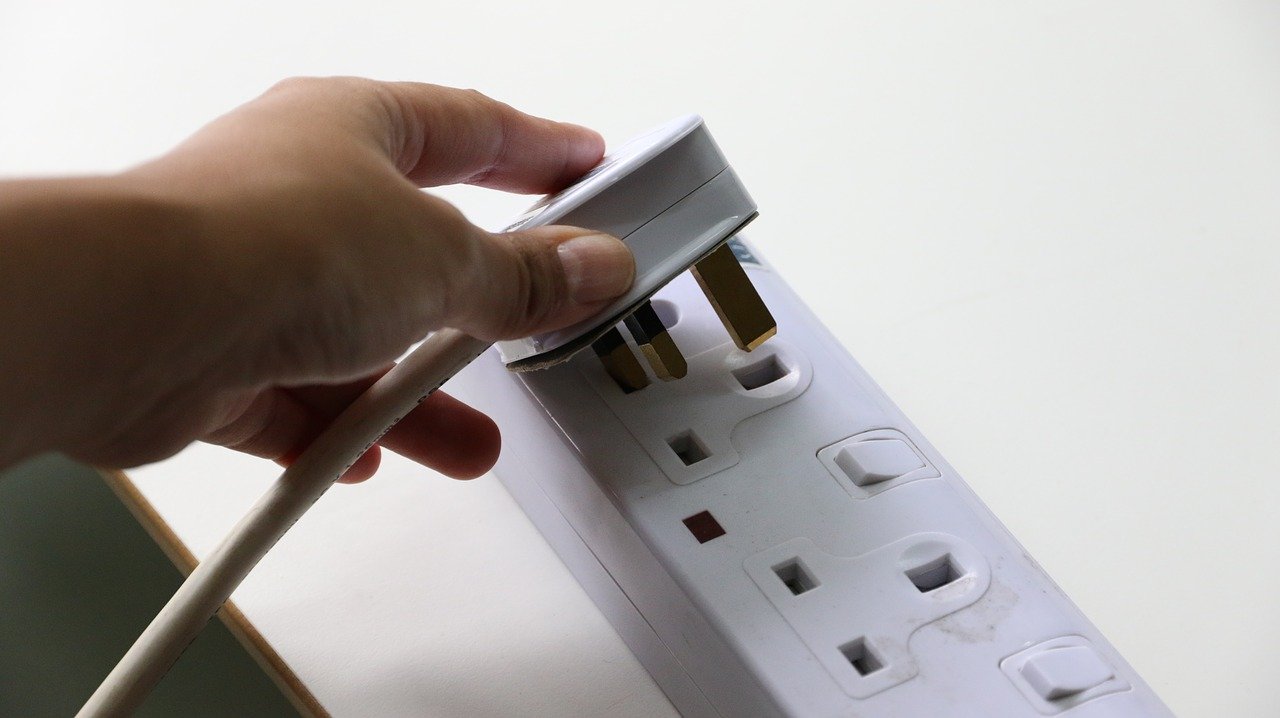
- Check plugs and sockets regularly. If you have concerns, stop using them until a professional has inspected them.
- Switch off and unplug hair dryers and straighteners after use, because they get extremely hot.
Everyday habits
- Look and listen. Check sockets for damage or wear. Crackling, unusual noises or a burning smell is a sure sign of a problem. Replace damaged sockets.
- Unplug properly. Never pull a plug out by the cable. Hold the plug. Replace worn or damaged cables straight away.
- Unplug before repairs. Always disconnect an appliance before you try to repair or clean it.
- Dispose of electrical waste properly. Do not put old or damaged small electrical items in your general rubbish. Use your council's collection service or a local electrical recycling centre.
- Think before buying second-hand. See buying used electrical items: thrifty or risky?
When to call a professional
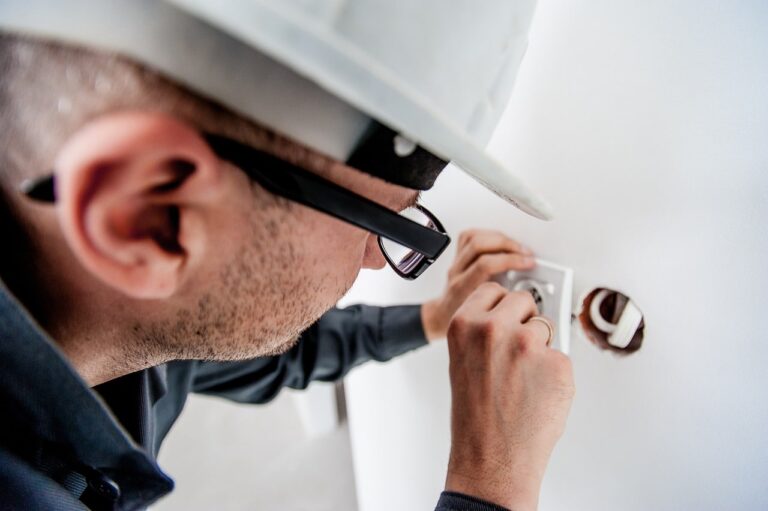
Use a registered electrician for any electrical work, and for regular checks of your wiring. See how to choose the right electrician. For more on home fire safety, read our home fire safety guide.
For help with electrical safety at your home, speak to our experienced, fully qualified team on 01908 564301.
Worried about the wiring in your home? Our electricians carry out electrical inspections (EICRs) and domestic electrical work across Milton Keynes and the surrounding areas.