Busy lives push fire safety down the list, and many homes have only the basics, or nothing. Yet most home fires can be prevented, and a few minutes of thought now can save lives.
The most common causes
- Cooking appliances cause the most home fires.
- Faulty appliances and leads come next. See reducing the risk of electrical fires at home.
- Heaters, candles and open flames too close to furnishings.
- Smoking materials.
- Charging devices with the wrong or cheap chargers, or overnight.
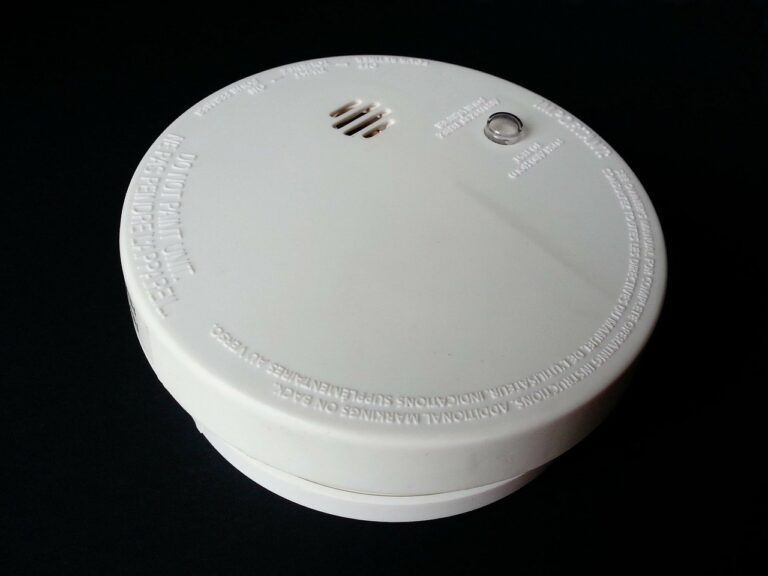
Smoke alarms: your early warning
- Fit at least one on every floor of your home. More is better: ideally one in every room except bathrooms, using a heat alarm in the kitchen.
- Test them weekly. If you find testing difficult, ask a friend or neighbour to help.
- Replace batteries at least once a year, unless you have sealed ten-year units, and replace alarms at the end of their life.
- Make sure you have a plan for what you will do when one sounds.
In the kitchen
- Do not let grease and fat build up, especially in the grill.
- Keep tea towels away from the cooker, and switch it off fully after use.
- Stop young children reaching the controls unsupervised.
- Keep toaster and kettle cables away from heat.
- Keep a fire blanket within reach. See cooking with oil and kitchen fire safety.
Washing machines, dryers and other appliances
These can catch fire if faulty. Have them checked if they run unusually hot or look unsafe, and do not run them overnight or while the house is empty.
Working from home
Office fire and electrical safety is the employer's job. At home, it is yours.
- Work at a flat, hard surface, not in bed. Laptops get hot and a duvet can cause overheating.
- Keep equipment clean. Remove dust and fluff from electrical items.
- Use the correct charger for each device. Avoid cheap chargers that may not meet safety standards, and do not charge items overnight.
- Keep extension leads and cables tidy and out of the way, and do not overload sockets.
- Check your smoke alarms and test them weekly.
If you smoke
Smoking is still a major cause of fire deaths. Stopping, or switching to a nicotine alternative, is the best option. If you cannot, these steps cut the risk:
- Smoke outside whenever possible.
- Indoors, use a proper ashtray, never a waste bin, and do not let ash or cigarette ends pile up.
- Never rest a lit cigarette, cigar or pipe on a flammable surface, and never leave one unattended.
- Never smoke in bed, and take extra care when tired.
- Avoid alcohol and drugs when smoking, as it is easy to lose concentration.
- If there are children in the house, keep lighters and matches out of sight and reach, and use child-resistant lighters.
- Never smoke near oxygen cylinders or other healthcare equipment, and take special care with paraffin-based emollient creams.
- Outdoors, use a pot filled with sand as an ashtray. Cigarettes thrown from cars or dropped while walking can start serious fires in dry weather. Do not smoke in or near tents.
The NHS offers free advice and support to stop smoking, including a free app. If you do not smoke, share this advice with someone who does.
Everyday habits that slow a fire
- Close internal doors at night and when you leave the house to slow the spread of fire and smoke. See fire safety while you sleep.
- Keep curtains and throws away from candles, naked flames and portable heaters.
- Make sure escape routes work. If windows are locked, keep the keys where everyone can reach them quickly.
- Talk to the family every few months, children included, about fire risks and what to do if a fire starts.
- Keep a small extinguisher at home. See fire extinguishers at home.
Get a home fire risk assessment
Is your home completely undefended against fire and smoke? Do a quick check yourself with our home fire risk assessment guide, or ask us to do it. Our inspector will check the main risks, including appliances and wiring, help you plan an escape route and examine your smoke alarms (including taking them down to check for dust and debris that could stop them working). We may recommend removing substandard electrical equipment and furnishings that pose a risk, and replacing alarms that no longer meet safety standards. Book an assessment or call 01908 564301.