Every business has a duty to reduce the risk of fire in the workplace. Fire safety law, chiefly the Regulatory Reform (Fire Safety) Order 2005, puts the responsibility for preventing fires on business owners and managers. It covers any place where people work or gather: factories, small shops, offices, warehouses, hotels, schools and churches.
What you are expected to do
- Take reasonable steps to prevent fires. Assess the hazards, especially how flammable materials and liquids are stored and used.
- Name the people responsible for managing fire risk. Pay special attention to anyone vulnerable because of a disability, infirmity or difficulty leaving an area quickly.
- Assess the building's passive protection: fire doors, fire screens and fire-stopping. See our guide to fire risk assessments.
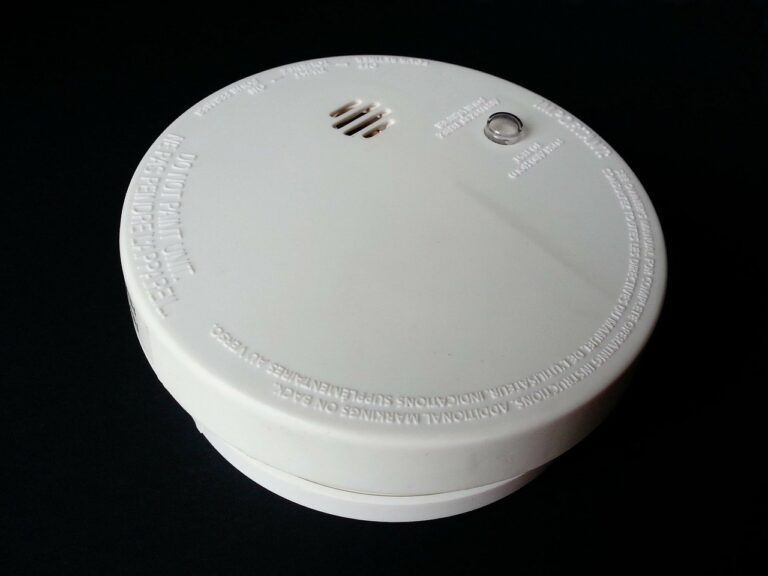
- Assess the active protection: smoke detectors, alarms, sprinklers, emergency lighting, extinguishers and fire hoses. Every device must work and be serviced regularly.
- Provide systems that suit the people on site, including customers, with an up-to-date evacuation plan.
- Run fire drills and keep a logbook that shows your equipment is in good condition.
- Train your people, including fire wardens. See how often to update fire warden training.
Offices: more electrical load, more risk
A modern office has computers, networking cables, printers, audio-visual equipment, kitchen appliances, heavy-duty equipment and air conditioning. Rising energy use means more fire exposure, and if risks are not managed the outcome could be fatal. Common protective measures include:
| Measure | What it does |
|---|---|
| Fire blankets | Smother a small fire by cutting off the air |
| Fire dampers | Stop fire spreading through ducts for air conditioning, ventilation and heating |
| Detection systems | Smoke and heat alarms that give early warning |
| Fire doors | Protect escape routes such as staircases. Never use lifts in a fire |
| Extinguishing systems | Portable extinguishers, hose reels, sprinklers and foam systems |
| Heat monitoring | Sensors at high-load points that detect overheating and alert the right people |
A weekly checklist for small businesses
If you are a small business owner and unsure where to start, these checks are the priority:
- Walk the premises each week looking for hazards. Chemicals and alcohol are often stored with care, but wood, paper and packaging need attention too.
- Keep fire exits and communal areas clear. Do not store stock, equipment or furniture on escape routes.
- Never prop fire doors open. Maintain them regularly.
- Test the fire alarm weekly, and have a qualified engineer service it every six months.
- Check cooking equipment, which causes a large share of commercial fires. Include kettles, toasters and microwaves that staff use, and have them safety tested.
- Switch off heating and unused equipment at the end of the day.
- Have lighting and electrics checked by a qualified professional, even if you do not suspect a problem. Overloaded circuits, loose connections and faulty fuses cause fires.
- Check your extinguishers: the right number and the right type for the materials on site.
- Review your fire risk assessment at least every 12 months, and sooner if the premises or your activities change.
If your premises have been empty or underused for a period, such as after a closure or a move to hybrid working, check that your fire safety plan still matches the building, refresh staff knowledge and confirm when your alarm, extinguishers, fire doors and sprinklers were last serviced.
Reduce the risk of arson
- Remove rubbish regularly, or store it safely until it is collected.
- Consider security fencing, CCTV and outside lighting.
- Secure the premises outside working hours.
- Avoid holding large amounts of stock. Bring in smaller amounts more often.
What happens if you get it wrong
Business owners have received suspended prison sentences for fire safety breaches. In one reported case, the owner of a takeaway in Banbury, with bedrooms above, had not carried out an adequate fire risk assessment or kept the fire alarms working. A fire safety audit found insufficient protected escape routes and fire exits, and the building was banned from being used for sleeping until it was improved.
Fire risk assessments are mandatory in the UK. You must also maintain the precautions and facilities that firefighters rely on, and you must record the full assessment in writing, whatever the size of your business.
On the other hand, good measures work. In a fire at a hotel in Powys, the fire service said the building's existing fire safety measures contained the fire and stopped a more serious incident.
Fire safety is a community responsibility
Fire prevention is a duty to yourself, your employees and your family, and also to your neighbours. When a fire spreads, nearby homes and businesses are affected too, and traders can lose income while an area is closed off. Well-planned, regularly rehearsed and reviewed safety systems are the best protection for everyone around you.
Get expert help
Our team provides fire risk assessments, fire alarm installation and testing, extinguisher supply and maintenance, emergency lighting and staff training for businesses across Milton Keynes, Bedford, Aylesbury, Luton, Northampton and Oxford. Book a fire risk assessment, see our fire safety training or call 01908 564301. Please do not take chances with fire safety.