Winter means more heaters, fires, candles and electric blankets, and fires at night take longer to notice. Add rising energy costs and people turn to cheaper ways to stay warm, which can carry risks. Preparing now protects your family and your home.
Heating systems and chimneys
- Boiler or heating system: have it serviced before the cold weather, by a suitably qualified engineer, and replace worn parts promptly. Check for any signs of a gas leak.
- Chimneys and flues: soot and tar build up and can cause chimney fires. Have chimneys swept and inspected at least once a year, and use a fireguard or glass door so sparks cannot escape. See chimney fire safety advice for autumn.
- Wood and fuel: burn dry, seasoned wood. Wet wood increases build-up in the chimney. Store logs away from the house.
Portable heaters
The fire service has raised concerns about rising numbers of heating-related fires, as more households plan to heat just one room with portable electric heaters.
- Before use, check the heater is in good working order and its cable is in good condition.
- Choose a model with automatic shut-off if it is tipped over, and follow the manufacturer's instructions. Register it so you are told about any safety issues.
- Keep it at least a metre (about three feet) away from furniture, curtains and anything else that can burn.
- Never cover a heater or dry washing on it.
- If children, older people or pets live in the house, make sure heaters cannot be knocked over.
- Never leave a heater unattended. Unplug it at the end of the day and when you leave the house.
- Keep furnaces, fires and heaters clear of curtains, furniture and rugs.
Overnight use and off-peak tariffs
Energy providers promote off-peak overnight tariffs for heaters, washing machines and electric blankets. The fire service advises avoiding using appliances overnight if you can, because a fire at night takes longer to notice, while smoke and burning smells are easier to spot during the day. If you cannot avoid it, fit smoke alarms throughout the home and test them regularly. Close your internal doors at bedtime to slow the spread of smoke and fire and keep rooms warm.
Electric blankets
- Check blankets regularly for visible wires, buzzing sounds or scorch marks. Replace a damaged blanket immediately and buy from a trusted retailer. Old blankets should be replaced after about ten years.
- Never use a damp or wet electric blanket.
- Roll or loosely fold it when storing, to avoid damaging the wires.
Candles
Stand them on a stable surface away from curtains and anything flammable. Never leave them burning unattended, and put them out before you go to bed or leave the room.
Alarms, extinguishers and practice
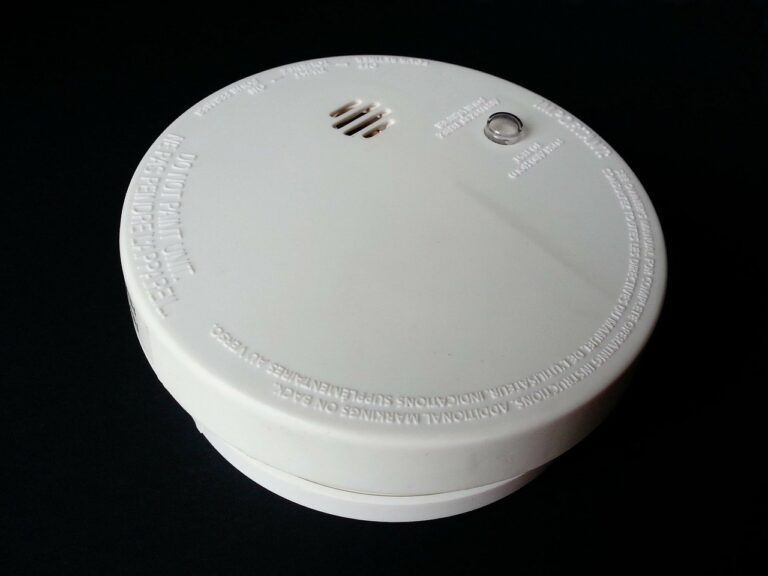
- Smoke alarms on every level, especially near bedrooms. Test them weekly and change batteries at least once a year.
- Carbon monoxide alarms near sleeping areas and wherever there is a fuel-burning appliance. Carbon monoxide has no colour or smell and can kill. Test them regularly.
- A fire extinguisher and fire blanket where you need them most, such as the kitchen, and learn how to use them.
- Talk to everyone in the house, including children, about fire dangers and what to do. Practise your escape route and agree a meeting point.
Lights and sockets
Do not overload sockets with festive lights and decorations. Use a surge-protected extension or spread devices across several sockets. See our home electrical fire guide.
Be ready for a power cut
Keep torches, spare batteries, a battery-powered radio, first aid supplies and some non-perishable food together in one place. Avoid using candles as your main light source.
Need advice?
See our complete fire safety at home guide, or book a fire risk assessment for peace of mind. Call 01908 564301.